
Is Botox Safe? Understanding Long-Term Effects and Complications
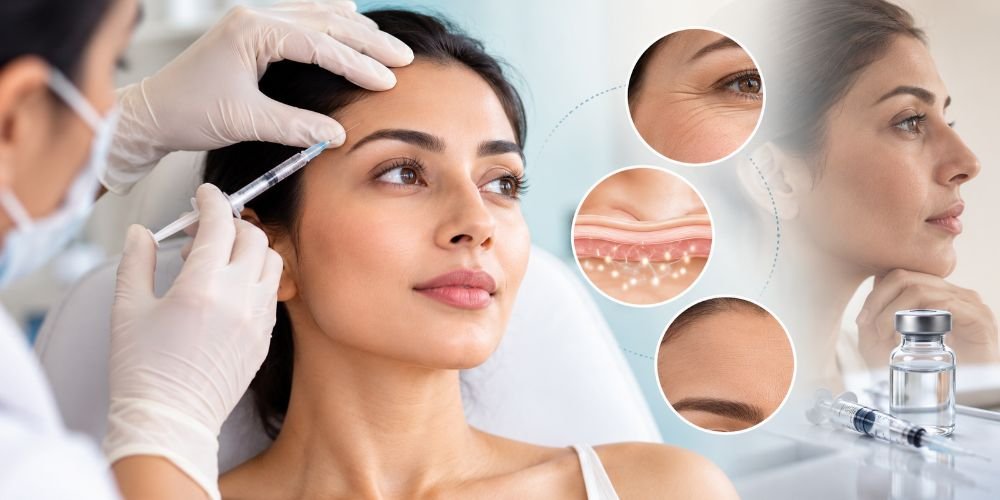
Botox has become a widely used cosmetic treatment for reducing the appearance of fine lines and wrinkles. It is commonly used to soften forehead lines, frown lines, and crow’s feet by temporarily relaxing specific facial muscles. Although many people undergo Botox injections for aesthetic reasons, questions about their long-term safety, repeated use, and possible complications remain important.
Is Botox safe when used for several years? Can repeated injections affect facial muscles? Are there side effects that may continue after the treatment wears off?
Understanding the benefits, limitations, and potential risks of Botox can help you make an informed decision before undergoing treatment. The safety of the procedure depends on factors such as the product used, the injection technique, the amount administered, the individual’s medical history, and the expertise of the treating professional.
At Arv Aesthetics, patient education should be an important part of any discussion about cosmetic procedures. Dr. Gurvinder Banga and Dr. Kalpana Patel are the doctor names provided for this article. Before publication, their current qualifications, professional roles, and involvement in reviewing this content should be verified.
If you are considering Botox Treatment in Gurgaon, learning about both short-term side effects and the uncertainties surrounding long-term use can help you discuss your options with a qualified medical professional.
What Is Botox and How Does It Work?
Botox is a brand name for a formulation of botulinum toxin type A. Botulinum toxin is a purified protein that temporarily blocks the release of acetylcholine, a chemical messenger involved in muscle contraction.
When administered in carefully selected muscles, the treatment reduces muscle activity for a limited period. This can make certain expression-related wrinkles less noticeable.
Cosmetic Botox is commonly used for:
- Forehead lines.
- Frown lines between the eyebrows.
- Crow’s feet around the eyes.
- Selected other facial lines, depending on the product’s approved uses and the clinician’s assessment.
Botulinum toxin products are also used for certain medical conditions, including some muscle disorders and chronic migraine. However, the dose, injection sites, and treatment objectives differ according to the condition being treated.
The effects of cosmetic treatment are temporary. Many people notice results within several days, with the effect developing over approximately one to two weeks. The duration varies, but cosmetic results commonly last around three to four months.
Botox does not permanently remove wrinkles, stop the natural ageing process, or prevent every future wrinkle from developing.
Is Botox Safe for Long-Term Use?
Botox can be used repeatedly for appropriate cosmetic and medical indications when treatment is administered by a qualified professional using an authorized product and an appropriate dose. However, it is not risk-free, and long-term safety depends on individual circumstances.
Clinical studies and experience with botulinum toxin products provide evidence about their safety for established uses. Nevertheless, the amount of evidence varies by product, indication, dose, treatment interval, and duration of follow-up.
There is no guarantee that repeated treatment will be free of complications for every person. The effects of long-term cosmetic use are not fully understood in every respect, particularly for people receiving injections over many years.
Before starting treatment, discuss the expected benefits, potential adverse effects, alternatives, and a suitable treatment schedule with your healthcare professional.
Factors That Influence Botox Safety
Several factors can affect the safety and outcome of treatment:
- The provider’s training
An appropriate understanding of facial anatomy, injection technique, product selection, and complication management is essential.
- The product’s authenticity
Botulinum toxin should be obtained from an authorized source and handled and stored according to the manufacturer’s instructions. Counterfeit, improperly stored, or unapproved products can introduce additional risks.
- The dose and injection sites
The appropriate dose varies according to the treatment area, the product used, the individual’s anatomy, and the intended result. Excessive or incorrectly placed injections can increase the risk of unwanted effects.
- The individual’s medical history
Certain neuromuscular conditions, previous reactions, medications, and other health factors may affect whether treatment is appropriate.
- The treatment interval
Repeat injections should be planned according to the product’s prescribing information, clinical response, and the individual’s needs. Receiving additional treatment too soon or without proper assessment is not advisable.
What Are the Common Side Effects of Botox?
Most reported cosmetic side effects are temporary and relatively mild. However, their likelihood and severity vary from person to person.
1. Redness, Swelling, or Bruising
Mild redness, tenderness, swelling, or bruising may occur around the injection sites. These effects generally improve within a few days.
The risk of bruising may be affected by injection technique and certain medications or supplements. Tell your treating professional about any medicines you take, including blood thinners. Do not stop prescribed medication without medical advice.
2. Headache or Local Discomfort
Some people experience a headache, tenderness, or discomfort after treatment. These symptoms are often temporary.
If discomfort is severe, persistent, or accompanied by other concerning symptoms, seek medical advice rather than assuming it is a normal reaction.
3. Drooping Eyelids or Eyebrows
Botulinum toxin can affect nearby muscles if it spreads beyond the intended treatment area. This may cause temporary eyelid or eyebrow drooping.
Correct injection placement and an appropriate dose can help reduce this risk, but they cannot eliminate it completely.
4. Uneven Facial Expressions
Botox may cause temporary asymmetry if the effects differ between muscles or if one area responds differently from another.
The result can sometimes be adjusted by an experienced treating professional, depending on the cause. Additional injections are not always appropriate, so the problem should first be assessed.
5. Dry Eyes or Changes Around the Eyes
Some people experience dry eyes, excessive tearing, or other eye-related symptoms after injections near the eyes.
Report persistent eye discomfort, vision changes, or difficulty closing your eyes to your healthcare professional.
What Are the Possible Long-Term Effects of Repeated Botox Injections?
The long-term effects of repeated Botox use are an important consideration for people who receive cosmetic treatment regularly. Some effects are reasonably understood, while others require further research.
1. Changes in Muscle Activity and Muscle Size
Botox temporarily reduces activity in the muscles into which it is injected. Repeated treatment may produce longer-lasting changes in the size or activity of those muscles.
In some circumstances, reduced muscle use can lead to muscle thinning or atrophy. The extent of this effect depends on factors such as the muscle treated, dose, frequency of injections, and duration of use.
The clinical significance of these changes varies. They should not automatically be interpreted as permanent damage, but they are relevant when planning repeated treatment.
A qualified professional can assess whether continued injections are appropriate for the intended cosmetic result.
2. Development of Resistance to Treatment
Some people may notice that Botox seems less effective over time. This does not necessarily mean that the body has developed resistance.
Several factors may explain a reduced response, including differences in the dose, injection technique, treatment area, product handling, and natural changes in muscle activity.
In a smaller proportion of patients, neutralizing antibodies against botulinum toxin may contribute to reduced treatment response. The risk varies according to the product, dose, and treatment circumstances.
If results become less noticeable, consult your treating professional rather than automatically increasing the dose or shortening the interval between treatments.
3. Changes in Facial Appearance
Repeated injections can influence how facial muscles move and how certain expression lines appear. Depending on the treatment pattern, some people may notice changes in facial movement, eyebrow position, or expression.
These changes are not necessarily permanent. However, excessive treatment or an unsuitable injection pattern can produce an appearance that does not match the individual’s preferences.
The goal should be an informed, individualized approach that respects normal facial movement and avoids unnecessary treatment.
4. The Duration of Long-Term Safety Evidence
Botox has been studied and used for various medical and cosmetic purposes, but evidence is not identical across all indications or treatment schedules.
Studies may differ in duration, participant characteristics, dose, and outcome measurements. As a result, evidence from one medical use cannot automatically establish the long-term safety of every cosmetic injection pattern.
This does not mean that serious long-term harm is inevitable. It means that treatment decisions should consider the available evidence, known risks, and remaining uncertainties.
5. Possible Effects Beyond the Injection Site
In rare cases, the effects of botulinum toxin can extend beyond the intended injection area. Serious symptoms may include generalized muscle weakness, difficulty swallowing, speech changes, and breathing difficulties.
These complications are uncommon, but they can be serious or life-threatening. Seek urgent medical care if such symptoms occur after treatment.
The possibility of toxin spread is one reason why appropriate product selection, dosing, injection technique, and professional oversight matter.
Can Botox Cause Permanent Damage?
Most commonly reported cosmetic side effects are temporary. Nevertheless, it would be inaccurate to say that permanent complications are impossible.
The outcome depends on the nature of the complication, the product and dose used, the injection technique, and the individual’s response.
For example, temporary eyelid drooping generally improves as the effect of the toxin diminishes. More serious complications require prompt assessment and appropriate medical management.
There is no reliable basis for claiming that every person who receives Botox will develop permanent muscle damage, nor is there a basis for guaranteeing that every treatment is completely safe.
If you have concerns about previous injections, persistent asymmetry, ongoing weakness, or other symptoms, seek an appropriate medical assessment.
Who Should Exercise Caution Before Getting Botox?
Botox is not suitable for everyone. A pre-treatment consultation should include a review of your health history, current medicines, allergies, previous cosmetic procedures, and treatment expectations.
Additional caution or specialist assessment may be needed in the following circumstances:
- Neuromuscular disorders: Conditions such as myasthenia gravis or Lambert-Eaton syndrome may increase the risk of significant muscle weakness or other complications.
- Pregnancy or breastfeeding: Evidence is limited, so elective cosmetic treatment is generally approached cautiously and should be discussed with a qualified clinician.
- Infection at the proposed injection site: Treatment may need to be postponed until the area has been assessed and the infection has resolved.
- Previous allergic reactions: Tell your healthcare professional about any previous reaction to botulinum toxin or its ingredients.
- Certain medicines: Some medicines can affect neuromuscular transmission or otherwise influence treatment safety. Provide a complete medication list.
- Previous treatment complications: A history of significant weakness, swallowing difficulties, or other serious adverse effects requires careful assessment before considering further injections.
Do not withhold relevant medical information or proceed with treatment simply because a previous session was uneventful.
How to Reduce the Risks of Botox Treatment
Although no procedure is completely risk-free, several precautions can help reduce avoidable complications.
Choose a Qualified Medical Professional
Check that the treating professional has the appropriate medical qualifications, registration, training, and experience for the proposed procedure.
Ask about their approach to assessing facial anatomy, choosing the dose, discussing risks, and managing complications.
Do not assume that someone is qualified to administer injectable treatments solely because they work at a beauty salon, spa, or aesthetic facility.
Confirm the Product Source
Ask which botulinum toxin product will be used and whether it comes from an authorized source.
Products should be appropriately labelled, stored, prepared, and administered according to their instructions. Avoid self-injection and products purchased through unverified online sellers.
Discuss Your Medical History
Before treatment, disclose relevant medical conditions, allergies, previous injections, and all medicines or supplements you take.
Tell your clinician if you have experienced eyelid drooping, unusual weakness, swallowing difficulties, or other complications after an earlier procedure.
Understand the Treatment Plan
Ask about the expected benefits, duration of results, alternatives, and possible adverse effects.
The dose and timing of repeat treatment should be individualized. Do not seek additional injections simply because the first treatment has begun to wear off.
Follow Aftercare Instructions
Follow the specific aftercare instructions provided by your treating professional.
Contact the clinic if you have persistent or worsening symptoms. Seek emergency medical care for difficulty breathing or swallowing, significant generalized weakness, or other symptoms suggestive of a serious complication.
What Should You Expect During Botox Treatment in Gurgaon?
If you are considering Botox Treatment in Gurgaon, the process should begin with an assessment rather than an automatic recommendation for injections.
A typical consultation and treatment pathway may include the following steps.
Step 1: Initial consultation
The professional discusses your concerns, medical history, previous procedures, and expectations. They should also explain whether Botox is suitable for the treatment area.
Step 2: Facial assessment
The clinician evaluates the relevant muscles, facial movements, and treatment goals. This helps inform the injection plan.
Step 3: Informed consent
Before treatment, you should receive clear information about the expected benefits, limitations, alternatives, common side effects, and serious risks.
Step 4: Injection procedure
If you decide to proceed and treatment is appropriate, the professional administers the selected product at the planned sites using suitable technique and dosing.
Step 5: Follow-up
You may be advised when to expect the full effect and whether a follow-up assessment is needed. Any concern about an adverse reaction should be addressed promptly.
The exact process depends on the individual, the product, and the treatment area. No particular result or duration can be guaranteed.
Botox Safety at Arv Aesthetics
For anyone considering cosmetic injections, patient education and a clear discussion of risks should be central to the decision-making process.
Arv Aesthetics is the clinic name provided for this article. Dr. Gurvinder Banga and Dr. Kalpana Patel are the doctor names supplied for the content. Their current professional credentials, roles, and involvement in providing or reviewing Botox treatment should be confirmed before publication.
A responsible consultation should allow patients to ask questions, understand alternatives, disclose relevant medical information, and decide whether treatment aligns with their needs.
If you are exploring Botox Treatment in Gurgaon, consider asking the treating professional:
- Is this treatment appropriate for my medical history and concerns?
- Which product will be used, and where is it sourced?
- What side effects should I expect?
- What are the risks of repeated injections?
- What should I do if I experience an unexpected reaction?
- What alternatives are available if I decide not to proceed?
These questions can help you make an informed decision without relying on exaggerated claims or guaranteed cosmetic outcomes.
Frequently Asked Questions About Botox Safety
1. Is Botox safe when used for many years?
Botox has an established role in several medical and cosmetic applications, but long-term safety evidence varies by indication, product, dose, and treatment schedule. Repeated treatment should be reviewed periodically by a qualified professional.
2. Can Botox cause long-term muscle weakness?
Botox temporarily reduces activity in the injected muscles. Repeated treatment may produce changes in muscle size or function, depending on the circumstances. Significant or persistent weakness should be medically assessed.
3. Does Botox make you look older after it wears off?
Botox does not automatically make a person look older when its effects diminish. As muscle activity returns, treated expression lines may gradually become more noticeable again. Natural ageing continues independently of treatment.
4. Can your body become resistant to Botox?
Some people experience a reduced response, but this can have several explanations. Neutralizing antibodies are one possible cause, although they are not the explanation for every case. A clinician should assess reduced effectiveness before considering changes to the treatment plan.
5. How often can you get Botox injections?
There is no single interval suitable for every person or product. Timing should follow the relevant prescribing information and an individualized clinical assessment. More frequent treatment is not automatically better.
6. What are the most serious Botox complications?
Rare but serious complications include the spread of toxin effects, generalized muscle weakness, difficulty swallowing, and difficulty breathing. Seek urgent medical care if these symptoms develop after an injection.
7. Is Botox safe for everyone?
No. Some medical conditions, allergies, medicines, and other circumstances may increase risk or make treatment inappropriate. A proper assessment is necessary before proceeding.
8. How can I choose a provider for Botox Treatment in Gurgaon?
Check the provider’s relevant medical qualifications, registration, experience, product sourcing, and ability to recognize and manage complications. You should receive clear information about risks, alternatives, and expected outcomes before consenting to treatment.
Conclusion
Botox can be an option for reducing certain expression-related wrinkles, but its safety should never be taken for granted. Common side effects are generally temporary, while rare complications can be serious. Repeated injections may also change muscle activity and, in some cases, muscle size or treatment response.
Current evidence does not justify claiming that Botox inevitably causes long-term damage, nor does it support a guarantee of complete safety over many years. The most appropriate decision depends on the individual’s health, treatment goals, product, dose, and professional assessment.
Before choosing Botox Treatment in Gurgaon, take time to understand the potential benefits, known risks, limitations of long-term evidence, and available alternatives. A qualified medical professional can help you weigh these factors and decide whether treatment is appropriate for you.