

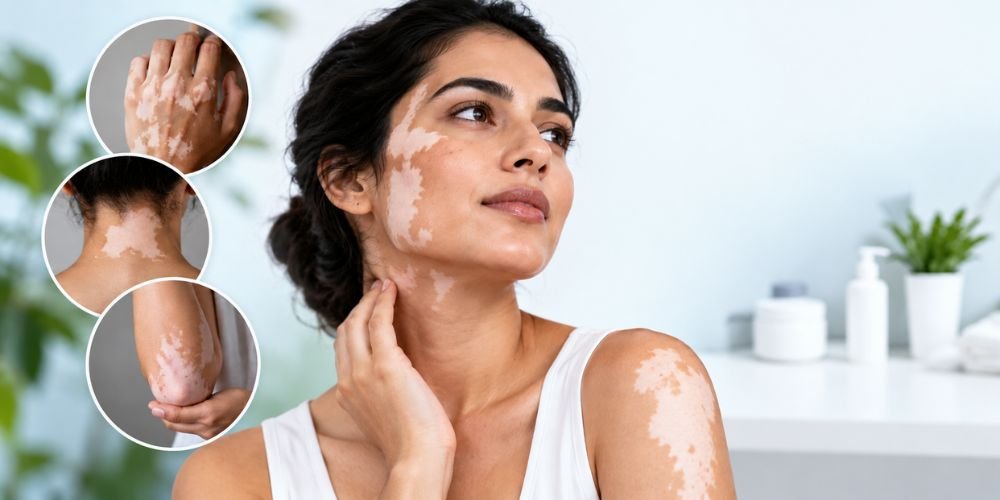
Vitiligo Symptoms, Causes, and Treatment: What You Need to Know
Vitiligo is a skin condition that causes certain areas of the skin to lose their natural colour, resulting in lighter or white patches. It can affect people of any age, gender, or skin tone. Although vitiligo is not contagious, the visible changes in skin colour can sometimes affect a person’s confidence and emotional well-being.
Understanding the symptoms, possible causes, and available treatment options can help you make informed decisions about managing the condition. At ARV Aesthetics, patients can seek professional dermatological evaluation and discuss suitable treatment approaches based on their individual condition.
What Is Vitiligo?
Vitiligo is a long-term skin condition associated with the loss or destruction of melanocytes, the cells responsible for producing melanin, the pigment that gives skin its colour. When these cells are damaged or lost, areas of the skin may gradually become lighter or completely white.
Vitiligo can develop anywhere on the body. Commonly affected areas include the face, hands, arms, feet, around the eyes and mouth, and areas where skin folds. In some people, the hair growing in affected areas may also turn white or grey.
Importantly, vitiligo is not contagious. It cannot be spread through physical contact, sharing food, or being around someone who has the condition.
Common Symptoms of Vitiligo
The most noticeable symptom is the appearance of pale, lighter, or white patches on the skin. These patches may initially be small but can become larger or appear in additional areas over time.
Common signs include:
- Light or white patches on the skin
- Loss of pigmentation around the eyes, mouth, fingers, hands, or feet
- White or premature grey hair in affected areas
- Loss of colour around the lips or inside the mouth
- Patches that may become more noticeable after tanning
- Increased sensitivity to sunlight in areas where pigment has been lost
- Occasional itching, particularly when vitiligo is actively developing
Vitiligo may appear in symmetrical patterns on both sides of the body, although some forms affect a more limited area.
Not every white or light-coloured patch is vitiligo. Other skin conditions can cause similar changes, which is why proper dermatological assessment is important.
What Causes Vitiligo?
Vitiligo is generally considered an autoimmune condition. In people with vitiligo, the immune system mistakenly targets melanocytes, the cells responsible for producing skin pigment. The exact reason this immune response occurs is not completely understood.
Several factors may contribute to the development or progression of vitiligo, including:
1. Genetic Factors
Vitiligo can run in families. Having a close relative with vitiligo may increase the likelihood of developing it, although having a family history does not mean that a person will necessarily develop the condition.
2. Autoimmune Conditions
Vitiligo can be associated with other autoimmune conditions, including certain thyroid disorders. A dermatologist may consider a patient’s medical history and, when appropriate, recommend further evaluation.
3. Skin Injury or Severe Sunburn
In some individuals, skin trauma such as cuts, burns, or severe sunburn may be associated with the development of new vitiligo patches. This phenomenon is sometimes referred to as the Koebner response.
4. Environmental and Other Triggers
Certain chemical exposures and other environmental factors may play a role in triggering vitiligo in genetically susceptible individuals. However, there is no single trigger responsible for every case.
How Is Vitiligo Diagnosed?
A dermatologist usually diagnoses vitiligo by examining the affected skin and reviewing the patient’s medical history.
A Wood’s lamp examination may be used to make depigmented areas more visible and help distinguish vitiligo from other causes of lighter skin. Depending on the individual’s symptoms and medical history, blood tests may also be recommended to check for associated autoimmune conditions.
Early evaluation is particularly useful when new patches are appearing or existing patches seem to be expanding.
Vitiligo Treatment Options
There is currently no single treatment that works for every person with vitiligo, and treatment cannot guarantee a permanent cure. However, several approaches can help restore pigmentation, reduce the appearance of patches, or slow the progression of the condition.
The appropriate treatment depends on factors such as the type of vitiligo, location and extent of pigmentation loss, whether the condition is stable or progressing, age, overall health, and treatment goals.
Topical Medications
Dermatologists may prescribe topical medicines to help restore pigmentation or control inflammation. Depending on the patient, these may include corticosteroids or calcineurin inhibitors such as tacrolimus or pimecrolimus.
These medicines should be used only under professional guidance because the appropriate strength, duration, and application area matter.
Phototherapy
Light-based treatment is an important option for many people with vitiligo. Narrowband UVB phototherapy may be considered when vitiligo affects larger areas of the body or when topical treatments alone are not sufficient.
Phototherapy generally requires multiple treatment sessions and works gradually. A dermatologist determines the appropriate treatment schedule and monitors the skin’s response.
Targeted Light or Laser-Based Treatment
For smaller or localized areas, targeted light treatment may sometimes be considered. The goal is to stimulate repigmentation specifically in affected areas while limiting exposure to surrounding skin.
Advanced Prescription Treatments
Certain newer medicines may be appropriate for selected patients. For example, topical ruxolitinib is an FDA-approved treatment for non-segmental vitiligo in eligible patients aged 12 years and older in the United States. Its suitability depends on individual circumstances and local prescribing considerations.
Surgical or Cell-Based Procedures
For carefully selected patients with stable vitiligo, surgical approaches such as skin grafting or cell transplantation may be considered when other treatments have not produced satisfactory repigmentation.
These procedures are not suitable for everyone and are generally considered when the condition is stable.
Camouflage Options
Medical treatment is not the only way to manage the appearance of vitiligo. Camouflage makeup, self-tanning products, or skin dyes may help reduce the visible contrast between affected and unaffected areas.
These options can be particularly useful for people who prefer a non-medical approach or while waiting for treatment to produce results.
Sun Protection Is Essential
Areas affected by vitiligo contain less melanin and can therefore burn more easily when exposed to sunlight. Protecting depigmented skin from excessive UV exposure is an important part of daily care.
Helpful measures include:
- Applying broad-spectrum sunscreen regularly
- Using a high SPF as recommended by your dermatologist
- Wearing protective clothing when outdoors
- Seeking shade during intense sunlight
- Avoiding tanning beds and deliberate tanning
Sun protection also helps reduce the contrast between depigmented patches and surrounding tanned skin.
Can Diet or Supplements Cure Vitiligo?
There are many claims online about special diets, vitamins, herbal products, and supplements for vitiligo. However, there is not enough evidence to establish that a particular diet or supplement can reliably restore pigmentation or cure vitiligo.
If you are considering supplements, discuss them with your dermatologist rather than replacing evidence-based treatment with unproven remedies.
When Should You See a Dermatologist?
You should consider a dermatological consultation if you notice:
- New white or unusually light patches
- Rapidly changing or spreading patches
- White patches around the face, hands, or other visible areas
- Loss of pigment in hair or eyebrows
- Skin changes that you cannot identify
- Emotional distress or reduced confidence related to your skin
A dermatologist can determine whether the changes are caused by vitiligo or another skin condition and discuss suitable management options.
Finding the Right Approach for Vitiligo
There is no universal treatment plan for vitiligo. Some people may need topical medicines, while others may benefit from phototherapy, combination treatment, camouflage, or other procedures. Treatment also requires patience because repigmentation often occurs gradually and results can vary between different areas of the body.
If you are looking for Vitiligo treatment in Gurgaon, a consultation at ARV Aesthetics can help you understand your condition and explore treatment options based on your individual skin type, affected areas, disease activity, and treatment goals.
Frequently Asked Questions About Vitiligo
Is vitiligo contagious?
No. Vitiligo is not an infection and cannot be transmitted from one person to another.
Can vitiligo be completely cured?
There is currently no guaranteed permanent cure for vitiligo. However, available treatments can help restore pigmentation and, in some cases, help control further pigment loss.
Does vitiligo affect only the skin?
Vitiligo primarily affects pigmentation, but some people may also experience changes such as white hair in affected areas. It can also be associated with certain autoimmune conditions, so appropriate medical evaluation may be recommended.
Does vitiligo get worse over time?
Vitiligo can be unpredictable. Some people experience limited areas of pigment loss, while others develop additional patches over time. A dermatologist can monitor changes and recommend treatment when appropriate.
Is early treatment helpful?
Early assessment can help identify the condition and allow a dermatologist to discuss treatment options before further pigment loss occurs. However, treatment response varies significantly between individuals.
Final Thoughts
Vitiligo is more than a change in skin colour. While it is not contagious, its visible nature can affect confidence and quality of life. Recognising the symptoms early and obtaining a proper diagnosis can help you understand the condition and choose an appropriate management plan.
With advances in dermatological care, several treatment options are available to help manage vitiligo and encourage repigmentation. If you are considering Vitiligo treatment in Gurgaon, consult ARV Aesthetics for a personalised assessment and professional guidance based on your individual needs.