Why Drinking Enough Water Is Essential for Healthy Skin
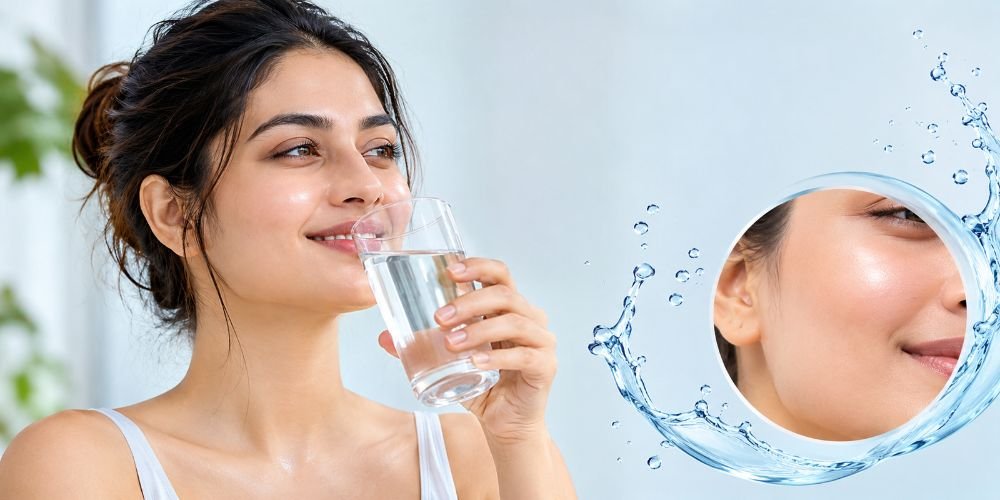
Healthy, glowing skin is not just about using expensive skincare products or following a complicated beauty routine. Everyday habits, including drinking enough water, also play an important role in maintaining overall skin health. Water supports several essential functions in the body, including temperature regulation, nutrient transportation, and maintaining normal cellular activity. These functions indirectly contribute to healthy skin.
Whether you are dealing with dryness, dullness, or simply want to maintain your skin’s natural appearance, staying properly hydrated is a useful habit. Although drinking water alone cannot solve every skin concern, maintaining adequate hydration supports the body’s normal functions and may help improve skin hydration, particularly in people who do not drink enough fluids.
At Arv Aesthetics, understanding the connection between everyday lifestyle habits and skin health is an important part of making informed skincare decisions. Let’s explore why drinking enough water matters, how it affects your skin, and what you can do to maintain healthy hydration.
1. How Does Drinking Water Affect Skin Health?
Water is essential for maintaining the body’s normal functioning. The skin, being the largest organ of the body, also depends on adequate hydration to support its natural processes.
The outermost layer of the skin, known as the stratum corneum, plays an important role in retaining moisture and protecting the skin from external irritants. When your body receives sufficient fluids, it can maintain normal hydration levels and support the functioning of different tissues.
Research suggests that increasing water intake may slightly improve skin hydration, particularly among individuals who previously consumed insufficient amounts of water. However, the available scientific evidence is limited, and drinking excessive water does not necessarily produce additional skin benefits.
2. Top Benefits of Drinking Enough Water for Healthy Skin
Maintaining adequate hydration offers several benefits for overall health and may support different aspects of skin appearance.
Supports Natural Skin Hydration
One of the most recognised benefits of drinking enough water is supporting the body’s hydration balance. Water contributes to maintaining moisture within skin tissues and supports normal skin functions.
People who regularly consume insufficient fluids may experience dehydration, which can affect the body’s normal functioning. Correcting inadequate fluid intake may also help improve skin hydration to some extent.
Helps Maintain Skin Elasticity
Healthy-looking skin naturally has a certain degree of flexibility and elasticity. Proper hydration supports normal tissue function, which contributes to the skin’s overall appearance.
However, skin elasticity is influenced by several factors, including collagen, elastin, genetics, age, and sun exposure. Drinking water cannot reverse these changes, but maintaining adequate hydration is part of a healthy lifestyle.
May Reduce the Appearance of Dryness
Dry skin can develop for several reasons, including environmental conditions, harsh skincare products, frequent hot showers, and an impaired skin barrier.
If insufficient water intake contributes to dehydration, increasing fluid consumption may help support skin hydration. However, drinking water is not a replacement for moisturisers, which help reduce moisture loss from the skin’s surface.
Supports Normal Skin Function
Skin cells require water to perform their normal functions. Water also helps transport nutrients and maintain the body’s internal balance.
Adequate hydration supports normal physiological processes, including temperature regulation and nutrient transportation. These processes are important for maintaining the body’s overall health, including the health of the skin.
Contributes to a Healthy-Looking Complexion
When your body is adequately hydrated, it can maintain normal physiological functions. This may contribute to a healthier-looking appearance, particularly if you previously had inadequate fluid intake.
However, drinking more water does not guarantee brighter skin, remove pigmentation, or eliminate acne. These concerns often require appropriate skincare and professional assessment.
3. What Happens to Your Skin When You Do Not Drink Enough Water?
When your body does not receive sufficient fluids, dehydration can develop. The effects depend on how much fluid your body loses and how long the condition continues.
Some possible signs and effects include:
- Dryness: Skin may appear less comfortable or feel dry, especially when other factors also affect the skin barrier.
- Dull appearance: Dehydration and other lifestyle factors may contribute to a tired-looking appearance.
- Reduced skin comfort: Skin may feel tight or uncomfortable.
- General dehydration symptoms: You may experience thirst, dry mouth, headache, fatigue, or darker-coloured urine.
- Reduced physical well-being: Significant dehydration can affect normal body functions and requires appropriate medical attention.
It is important to understand that dry skin does not always mean your body is dehydrated. Conditions such as eczema, environmental exposure, and certain medications can also contribute to skin dryness.
4. How Much Water Should You Drink Every Day for Healthy Skin?
There is no single daily water requirement that works for everyone. Your fluid needs depend on factors such as age, body size, physical activity, weather, diet, and overall health.
People living in warmer climates or spending considerable time outdoors may need additional fluids because of increased sweating.
Here are some simple ways to maintain adequate hydration:
- Drink water regularly throughout the day.
- Keep a water bottle nearby as a reminder.
- Increase fluid intake during hot weather and physical activity.
- Include water-rich foods such as cucumber, watermelon, oranges, and other fresh fruits.
- Pay attention to thirst and urine colour as general hydration indicators.
- Avoid relying entirely on sugary drinks to meet your fluid needs.
Remember that fluids also come from foods and other beverages. People with kidney, heart, or other medical conditions may have specific fluid restrictions and should follow their healthcare professional’s advice.
5. Does Drinking More Water Make Your Skin Glow?
This is one of the most common questions about hydration and skincare.
Drinking enough water helps maintain normal body functions and may improve skin hydration, especially in individuals who do not consume sufficient fluids. Better hydration may contribute to a healthier-looking skin appearance.
However, there is limited scientific evidence that drinking extra water directly produces glowing skin. It does not automatically remove dark spots, reduce wrinkles, clear acne, or reverse skin ageing.
Healthy skin depends on several factors, including:
- A balanced and nutritious diet.
- Adequate sleep.
- Daily sun protection.
- A suitable skincare routine.
- Regular physical activity.
- Proper hydration.
- Appropriate treatment of existing skin conditions.
For this reason, drinking water should be considered one part of a complete approach to skincare rather than a standalone solution.
6. Simple Daily Habits to Keep Your Skin Healthy and Hydrated
Along with drinking enough water, a few simple lifestyle and skincare habits can help maintain your skin’s natural moisture balance.
Follow a Gentle Skincare Routine
Choose skincare products suitable for your skin type. Use a mild cleanser and avoid excessive scrubbing, as harsh products may damage the skin barrier.
Apply Moisturiser Regularly
Moisturisers help retain moisture and support the skin barrier. Ingredients such as hyaluronic acid, glycerin, and ceramides can be useful in suitable formulations.
Use Sunscreen Every Day
Sun exposure can contribute to pigmentation, premature ageing, and other forms of skin damage. Apply a broad-spectrum sunscreen with SPF 30 or higher and reapply as directed, especially when spending time outdoors.
Eat a Balanced Diet
Include fruits, vegetables, whole grains, healthy fats, and protein in your daily diet. A balanced diet provides nutrients that support normal skin function.
Get Enough Sleep
Sleep supports the body’s natural repair and recovery processes. Maintaining a consistent sleep schedule is an important part of overall health.
Avoid Excessive Hot Showers
Very hot water and prolonged bathing may remove natural oils from the skin, increasing dryness. Use lukewarm water and apply moisturiser after bathing.
7. Common Myths About Drinking Water and Skin Health
There are many misconceptions about the relationship between water consumption and skin appearance. Understanding the facts can help you make better skincare decisions.
Myth 1: Drinking eight glasses of water guarantees glowing skin.
Fact: Eight glasses is not a universal requirement. Fluid needs vary from person to person, and adequate hydration does not guarantee a particular skin appearance.
Myth 2: Drinking extra water removes acne.
Fact: Acne is influenced by factors such as excess oil production, clogged pores, bacteria, hormones, and inflammation. Water alone cannot treat acne.
Myth 3: Water removes toxins from the skin.
Fact: The kidneys and liver play major roles in processing and eliminating waste products. Drinking enough water supports normal body functions, but excessive water intake does not detoxify the skin.
Myth 4: Drinking more water removes wrinkles.
Fact: Wrinkles develop due to ageing, collagen changes, genetics, and environmental exposure. Hydration cannot reverse these changes.
Myth 5: Dry skin always means dehydration.
Fact: Dry skin can result from environmental factors, skin conditions, and damage to the skin barrier, even when a person drinks sufficient water.
8. When Should You Consult a Skin Specialist?
Although maintaining hydration is important, persistent skin problems may require professional evaluation. Drinking more water is not always enough to manage skin concerns.
Consider consulting a qualified dermatologist if you experience:
- Persistent dryness or peeling.
- Recurrent acne or frequent breakouts.
- Unexplained pigmentation or dark spots.
- Persistent redness, itching, or irritation.
- Sudden changes in skin texture.
- Skin concerns that do not improve with basic skincare.
A dermatologist can assess your skin condition, identify possible causes, and recommend an appropriate treatment plan based on your individual needs.
If you are looking for guidance from a Skin Specialist in Gurgaon Sector 49, consider seeking a professional skin assessment rather than relying only on home remedies or online skincare trends.
9. Why Is Professional Skin Guidance Important?
Every individual’s skin is different. Factors such as age, genetics, lifestyle, hormonal changes, environmental exposure, and existing skin conditions can influence skin health.
A skincare routine that works for one person may not be suitable for another. Professional guidance can help identify your skin type, understand underlying concerns, and choose appropriate skincare products or treatments.
At Arv Aesthetics, skin health should be approached with an understanding of individual concerns and realistic expectations. Proper hydration, balanced nutrition, sun protection, and suitable skincare practices can all contribute to a well-rounded skin health routine.
People searching for a Skin Specialist in Gurgaon should prioritise qualified medical guidance, accurate information, and treatments appropriate for their specific skin concerns.
Frequently Asked Questions (FAQs)
1. Does drinking water improve skin health?
Drinking enough water supports normal body functions and may improve skin hydration, particularly in people who previously consumed insufficient fluids. However, it is not a standalone treatment for skin conditions.
2. How much water should I drink daily for healthy skin?
There is no fixed amount for everyone. Your daily fluid requirement depends on your age, activity level, climate, diet, and health conditions. Follow individual medical advice if you have fluid restrictions.
3. Can drinking water reduce acne?
No. Drinking water alone cannot treat acne. Acne may require appropriate skincare, lifestyle adjustments, and dermatologist-recommended treatment.
4. Does dehydration make your skin look dull?
Inadequate hydration can affect overall body function and may contribute to changes in skin appearance. However, dullness can also result from sun exposure, dead skin cell accumulation, poor sleep, and other factors.
5. Is drinking water better than applying moisturiser?
Both serve different purposes. Drinking water helps maintain internal hydration, while moisturisers help reduce moisture loss from the skin’s surface and support its protective barrier.
6. Can drinking water prevent wrinkles?
No. Adequate hydration supports normal skin function, but it cannot prevent all signs of ageing or reverse existing wrinkles. Sun protection and appropriate skincare are also important.
7. Should I drink extra water during summer?
You may need more fluids during hot weather because sweating increases fluid loss. Drink regularly and adjust your intake according to your activity and individual needs.
Conclusion
Drinking enough water is a simple but important part of maintaining overall health and supporting normal skin function. Adequate hydration may help improve skin moisture, particularly in individuals who previously consumed insufficient fluids. However, it is important to remember that healthy skin depends on more than water intake alone.
A balanced diet, regular sleep, sun protection, gentle skincare, and appropriate professional guidance all contribute to maintaining healthy skin.
At Arv Aesthetics, making informed skincare choices starts with understanding your skin’s individual needs. Build healthy hydration habits, follow a consistent skincare routine, and consult a qualified dermatologist when you experience persistent skin concerns. Small, consistent lifestyle choices can support your skin health over time.
Medically Reviewed By: Dr. Gurvinder Banga
- Qualifications: MBBS, DDVL
- Specialty: Dermatology and Cosmetology
- Medical Registration No.: HN 4209, Haryana State Medical Council (2009)
- Clinic: ARV Aesthetics Skin and Laser Clinic, Gurugram